

Sticky Rollers: Essential Tools for Precision Surface Cleaning

Sticky Rollers: Essential Tools for Precision Surface Cleaning
Understanding Their Function, Material Differences, and Critical Role in Contamination Control
Introduction
In industries where even microscopic particles can cause significant damage or defects, sticky rollers (also known as adhesive lint rollers or contamination control rollers) have become indispensable tools. These specialized cleaning devices are designed to remove dust, lint, fibers, and other micro-contaminants from surfaces with precision and efficiency.
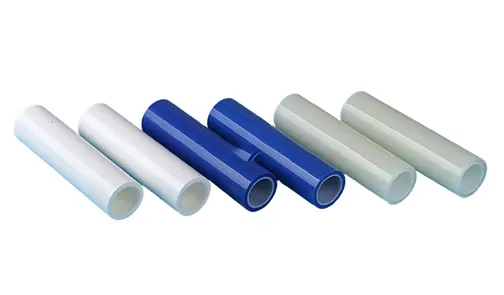
What Are Sticky Rollers?
Sticky rollers are cylindrical tools featuring a layered adhesive surface that captures and retains particulate matter through direct contact. Each roller consists of multiple perforated sheets coated with a pressure-sensitive adhesive. When a soiled layer becomes saturated with contaminants, it is simply peeled away to reveal a fresh, clean adhesive surface underneath.
These rollers are widely used in manufacturing, packaging, printing, and cleanroom environments where surface purity is critical.
The most common materials for sticky rollers are PP and PE. What is the differences between PP and PE?
PP vs. PE Sticky Rollers: Key Differences
While both Polypropylene (PP) and Polyethylene (PE) sticky rollers serve the same fundamental purpose, their material properties make them suitable for different applications:
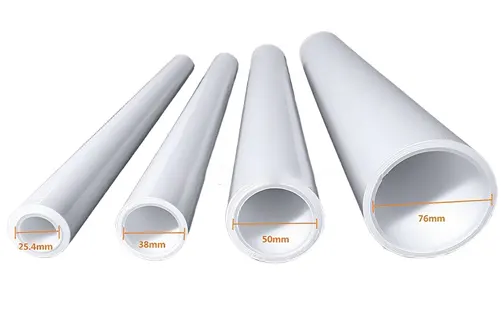
PP Sticky Rollers
- Material Characteristics: Stiffer and more rigid, providing better surface contact on flat areas
- Chemical Resistance: Good resistance to most chemicals and solvents
- Applications: Ideal for electronics manufacturing, PCB cleaning, and optical surface preparation
- Environmental Suitability: Perfect for dry environments and general industrial use
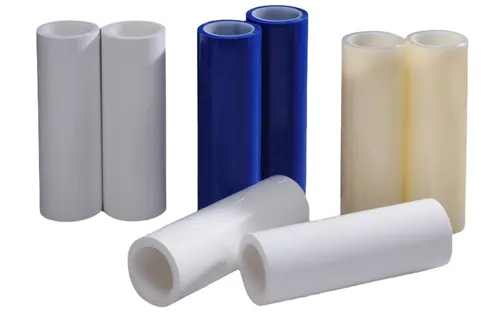
PE Sticky Rollers
- Material Characteristics: Softer and more flexible, conforming easily to curved or irregular surfaces
- Chemical Resistance: Excellent resistance to moisture, oils, and harsh chemicals
- Applications: Preferred for printing industry, packaging machinery, automotive, and wet environments
- Environmental Suitability: Superior performance in humid or oil-exposed conditions
The Importance of Sticky Rollers
- Quality Assurance: Sticky rollers play a crucial role in maintaining product quality by removing contaminants that could cause defects in sensitive processes. In electronics manufacturing, for example, they prevent particle-induced failures in circuit boards and components.
- Process Efficiency: These tools enable rapid cleaning without the need for liquids or chemicals, reducing downtime and increasing production efficiency. The quick-peel replacement system allows for continuous operation without interrupting workflow.
- Versatility and Precision: Available in various widths and adhesion strengths, sticky rollers can be tailored to specific applications—from broad surface cleaning to precise spot treatment on delicate components.
- Cost Effectiveness: By preventing product rejects and rework, sticky rollers contribute significantly to cost reduction. Their multi-layer design ensures extended use before replacement is needed.
- Regulatory Compliance: In regulated industries such as pharmaceuticals, medical devices, and aerospace, sticky rollers help maintain compliance with strict cleanliness standards and contamination control protocols.
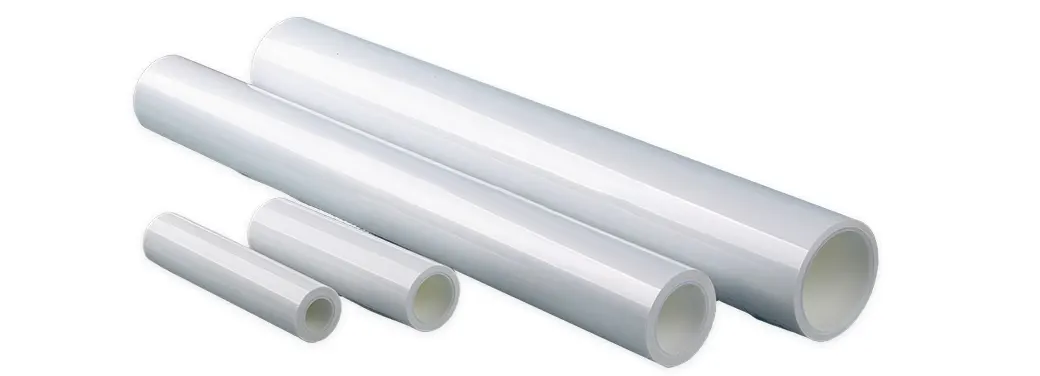
Industry Applications
- Electronics: Cleaning PCB panels, semiconductor wafers, and display screens
- Printing: Maintaining cleanliness of printing rollers and graphic films
- Packaging: Ensuring adhesive applicators and labeling machines remain particle-free
- Automotive: Preparing surfaces before painting or assembly
- Medical Devices: Maintaining sterile conditions for device manufacturing

Sticky rollers may seem like simple tools, but their impact on product quality, manufacturing efficiency, and contamination control is profound. The choice between PP and PE rollers depends on specific application requirements, with each material offering distinct advantages for different environments. As manufacturing standards continue to evolve toward greater precision and cleanliness, sticky rollers will remain essential instruments in the global effort to achieve.
NEWS
GET SERVICE
With quality parts to meet every budget and friendly staff trained to make your visit informative and hassle free.
