

Best Antistatic Materials

Best Antistatic Materials
With all of the technology of the day, static electricity control is vital in many industries, including electronics manufacturing, healthcare, and more. Antistatic materials are of paramount importance in preventing static discharge which could cause damage to sensitive components or be a hazard to safety. In this guide, you will learn about the best antistatic materials, their uses, merits and how to select the proper antistatic material.
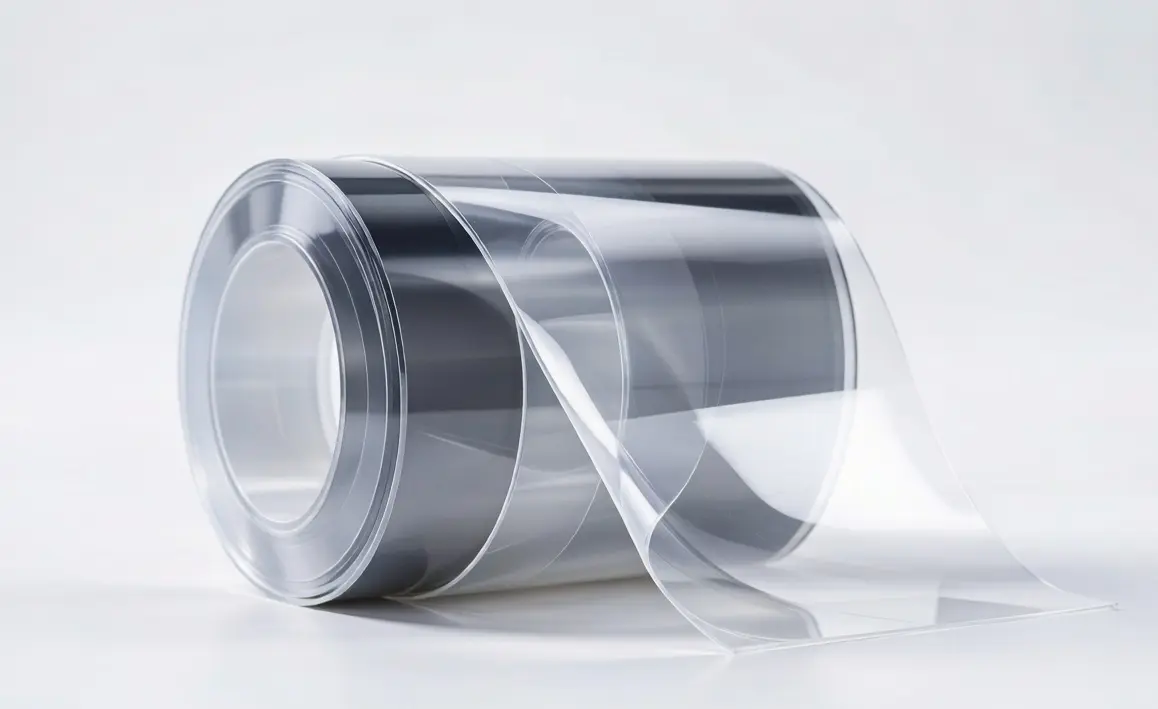
What Are Antistatic Materials?
Materials made for a specific purpose to reduce, control or eliminate static electricity. Antistatic materials are materials that either slow down the flow of charges or prevent charges from building up, in contrast with conductive materials where charges move freely. They are being utilized in the electronics, packaging, garment and clean room industry.
Key Features of Antistatic Materials
- Static Dissipation – Safely neutralizes static charges to prevent sudden electrical discharge.
- Durability – Maintains antistatic properties even under frequent handling or environmental stress.
- Non-toxicity – Safe for humans and sensitive electronic equipment.
- Ease of Maintenance – Some materials are washable or reusable without losing their antistatic qualities.
Top Antistatic Materials for Industrial and Commercial Use
Key factors to take into account include conductivity, cost, and particular application needs when choosing anti-static materials. Here are a few of the best choices:
1. Antistatic Polyethylene (PE)
The antistatic polyethylene is commonly used in the packaging industry, especially for electronic parts. When additives are incorporated into the PE film, it can prevent the static build-up which may harm the sensitive devices.
Benefits:
- Lightweight and flexible
- Cost-effective for mass production
- Excellent moisture and chemical resistance
Applications:
- Electronic component packaging
- Cleanroom liners
- Protective sheets for storage
2. Antistatic Polypropylene (PP)
Polypropylene is another popular polymer used for antistatic applications. It is also more heat resistant than PE, allowing it to be used in more severe heat conditions.
Benefits:
- Strong and rigid structure
- Chemical and heat-resistant
- Recyclable and environmentally friendly
Applications:
- Industrial containers
- Antistatic mats
- Protective wraps for electronics
3. Conductive Fabrics
For wearable antistatic solutions, antistatic fabrics which combine cotton or polyester with carbon fibre are ideal. Essential in electronics assembly areas these materials prevent static buildup in clothing.
Benefits:
- Comfortable and flexible
- Effective at preventing static shocks
- Washable for repeated use
Applications:
- ESD-safe lab coats
- Antistatic gloves and wristbands
- Cleanroom garments
4. Antistatic PVC
Antistatic agents can be added to polyvinyl chloride (PVC) to make it suitable for industrial use. For sensitive electronics, antistatic PVC is especially beneficial for mats and floors.
Benefits:
- Excellent wear resistance
- Easy to clean and maintain
- Long-lasting antistatic effect
Applications:
- Industrial flooring
- Antistatic work surfaces
- Protective covers for electronics
5. Antistatic Rubber
In industrial equipment and mats, rubber materials with antistatic properties are generally used. They resist static build-up and they are slip-resistant.
Benefits:
- Durable and elastic
- High friction resistance
- Can withstand heavy machinery use
Applications:
- Anti-fatigue mats for electronics assembly
- Conveyor belts in manufacturing
- Protective padding for sensitive devices
How to Choose the Right Antistatic Material
Selecting the best antistatic material requires careful consideration of your environment, application, and budget. Here are some factors to consider:
- Application Type – Determine whether the material will be used for packaging, flooring, clothing, or equipment protection.
- Environmental Conditions – Consider temperature, humidity, and chemical exposure.
- Durability Requirements – Some applications need long-lasting materials, while others require disposable or cost-effective solutions.
- Compliance and Safety – Ensure the material meets ESD (Electrostatic Discharge) safety standards relevant to your industry.
Benefits of Using Antistatic Materials
Investing in high-quality antistatic materials provides multiple advantages:
- Protect Sensitive Equipment: Prevents costly damage to electronic components.
- Improve Safety: Reduces the risk of sparks in flammable environments.
- Enhance Productivity: Minimizes downtime caused by static-related failures.
- Cost Savings: Reduces replacement costs and maintenance due to static damage.
Popular Industries Using Antistatic Materials
- Electronics Manufacturing: Circuit boards, semiconductors, and computer components require static-free environments.
- Healthcare: Hospitals use antistatic materials in certain medical devices and cleanrooms.
- Automotive: Protects sensitive sensors and electronics during assembly.
- Textiles: Prevents static cling and improves garment handling efficiency.
Conclusion
In the present industrial and commercial world, there is no way without the use of anti-static materials. The selection of an antistatic material will depend on the particular application, environment and applicable regulations. Whether you're looking for antistatic polyethylene, polypropylene, conductive fabric or rubber, there are many choices to help keep you safe, reliable, and efficient.
Budgeting for the correct supplies not just prevents the damage of valuable tools, yet it additionally assists with the security of the work environment and boosts productivity. In the continually changing landscape of industries, antistatic solutions will remain crucial to technological and operational excellence.
NEWS
GET SERVICE
With quality parts to meet every budget and friendly staff trained to make your visit informative and hassle free.
