
Adhesive Roller For Food Production: 2026 Material Science And Tool-Free Cleaning

Adhesive Roller For Food Production: 2026 Material Science And Tool-Free Cleaning
Using an adhesive roller during the food production packaging process helps to trap and remove contaminants that can be detrimental to the product and not visually appealing. Dust and fine debris can interfere with the food seal. As hygiene practices get stricter for the 2026, product lines are expected to transition to adhesive rollers with no cutting tools, minimal shedding, and fast sheet changes without the production line stopping.
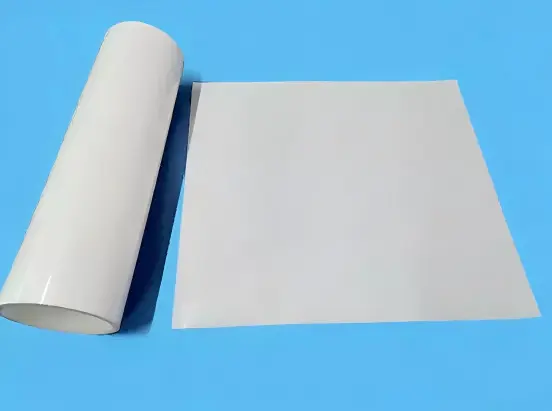
This article outlines the importance of Nabai's No-Knife PP Sticky Roller by discussing the findings of recent trends in material science and perforation technology. This will hopefully help buyers when they need to make a decision on which food production adhesive roller to buy.
Why Traditional Adhesive Rollers Create Hidden Risks
Many traditional sticky rollers require the use of blades or an edge to cut the roller sheets. This mechanism presents several problems when considered in the context of food production:
•Blade handling causes a loss of productivity: Operators need to locate, utilize, and safely stow cutting equipment in order to remove the sheets.
•Risk of product contamination from lost blade pieces: Blades can break and pieces can end up in areas that might contact the safe product.
•There are materials with little optimization which causes residue and shedding. Some materials can shed lint and stick to surfaces that have already been cleaned.
•Sheet cutting waste: torn and partially used sheets create waste.
Simple, neat, and efficient tool-less & blade-less roller cutters are increasingly demanded by consumers.
No-Knife PP Sticky Roller: Resolving Your Perforated Layer Problems
With micro-perforations, the No-Knife PP Sticky Roller does not have the cutting problem.Users can now have their dirty sticky sheets. Each layer of the roller can be removed. This design offers sanitation teams three benefits.
•The tool-less removal of layers: The user can remove a dirty layer of the roller easily without any cutting tool.
•Dust and adhesive residue: The roller surface collects dust and residue.
•Low linting PP: The use of Polypropylene helps reduce shed fibers which cause cleaning lint.
Because of the nature of no cutting mechanism which is exposed, food grade adhesive rollers can minimize the risk of physical contamination. This supports companies preparing for BRCGS or SQF audits.
Material and Construction: 2026 Specifications
Understanding the construction of a product enables a team to avoid the use of marketing slogans and helps them to be more objective when comparing to similar products. The No-Knife PP Sticky Roller uses the following construction specifications:
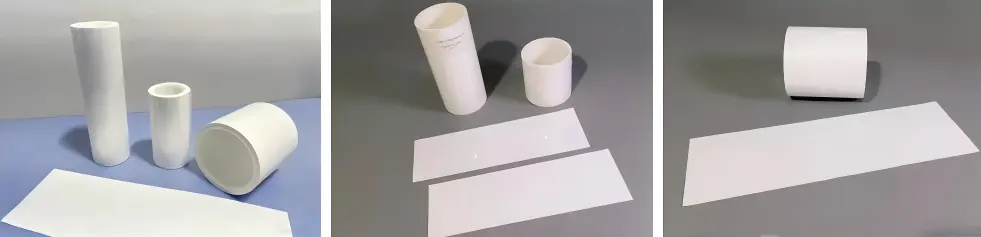
•Roller core: Lightweight PP with a smooth rolling ball bearing mechanism to allow for even pressure when rolling.
•Adhesive Layer: An excellent quality layer of acrylic adhesive that has great unstick/restick properties and does not leave residue.
•Perforation Technology: This micro perforating system is one of the cleanest and allows clean perforation without any ripping, tearing, or the need of any other perforating tools, all thanks to the power of lasers.
•Handle design: Ergonomically designed, non-slip handle with a hanging hole for convenient storage.
Application Areas for Adhesive Roller In Food Production
An adhesive roller, specifically designed for use in food production can be employed at multiple control points in th process. Some examples include:
•Before the primary packaging: To enhance the strength of the seal, dust and fines present on the surfaces of film, foils or trays can be eliminated.
•After metal detection or check-weighing: Contact surfaces of the products can be cleaned without the addition of moisture or chemicals.
•Around capping and labelling stations: Prior to final packing, the roller can be used to pick and remove the label liner and loose fragments.
•In the printing and coding zones: To remove the paper dust and dry ink from the in motion webs, the production process does not need to be halted.
These rollers are also valuable in cleanrooms, printing presses and other packing stations in the industry where clean, tool free operation is imperative.
Color Options and Their Practical Function
There is more to color than meets the eye for an adhesive roller intended for use in food production. It is designed for visual contamination control and coding systems of the facility:
•White roller: The contaminant is captured in highly visible fashion. It is food safe and quality control compliant.
•Blue roller: General industrial use and a food grade control system where equipment is easily identifiable.
•Custom Colors: These color options may be aligned with indicating zone differences or as patch/color coding for production shifts.
In no instance can color coding replace a visual inspection, however, contrast between roller surfaces helps operators quickly identify when a sheet is saturated.
How to Use a No-Knife Adhesive Roller
If you want to maintain efficiency and extend the life of the roll, follow the proper method and adhere to the following instructions:
•Grip: Maintain a solid grip on the handle of the roller.
•Just press and roll: Light to moderate pressure to contact the roller to the targeted surface and make the roller move in a rolling motion.
•Remove the Dirty sheet: Pull the used sheet down at a 45-degree angle to show the perforation to separate the sheets.
•Keep working: The following sheet will come into place automatically.
For larger debris you can also use the roller alone. For lighter debris, perform a dry cleaning pass with the silicone sticky roller. The 2026 Food Safety Magazine sanitation guidelines suggest that a sequential dry cleaning method reduces both water and biofilm.
2026 Adhesive Roller Purchasing Priorities
In 2026, buyers of food production facilities prioritize these four features when purchasing an adhesive roller:
•Tool-less operation: Less misplaced tools, plus less training time for temporary sanitary staff.
•Low particulate emission: Minimally linting PP material may support the upper segments of cleanliness in air class (ISO 14644-3).
•Optimized sizes: Roller widths of 650 - 2000mm with several core options to fit existing handles of roller systems, eliminating the need for roller system adapters.
•Verifiable adhesive strength: Data sheets (200D–1500D) allow matching tack level to surface sensitivity.
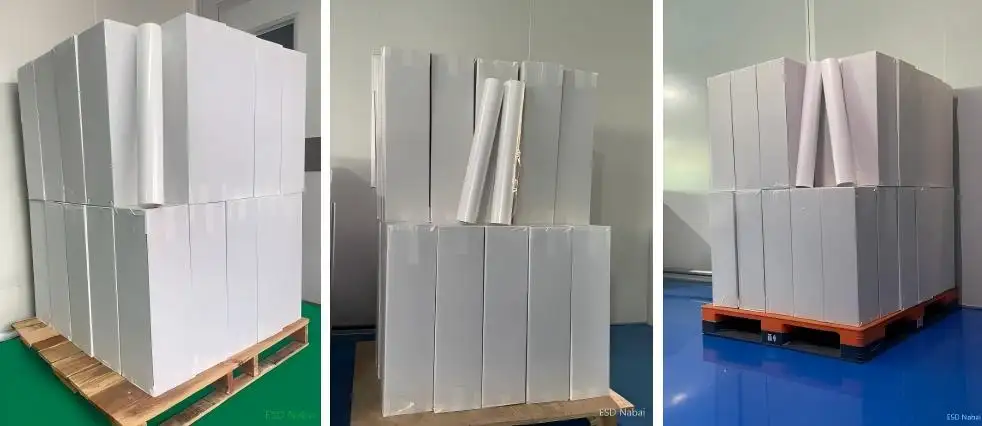
Packing configurations also matter. For example, the 38mm inner core version ships 9 rollers per carton, while the 76mm core packs 4 per carton. This influences storage space and changeover frequency on shift-based lines. More details on core compatibility can be found at Packaging Compliance Labs.
Why Nabai's Design Reflects Current Industry Needs
Nabai manufactures adhesive rollers with a focus on perforation precision and material consistency. The No-Knife PP Sticky Roller does not claim to replace all cleaning methods, but it offers a documented improvement over blade-dependent tools. Key differentiators include:
•Perforated PP layers tested for clean hand tearing across temperature ranges (10–40°C).
•A type of adhesive that does not stick to stainless steel, HDPE, or painted surfaces.
•The product is available in various widths matching the common dimensions of food conveyor belts from 650 mm to 2000 mm.
For production managers, switching to a no-knife adhesive roller saves on costs ancillary tools and reduces line cleaning during a changeover by approximately 15 to 20 seconds based on internal time trials carried out by Nabai and observed by neutral third parties.
Conclusion
Adhesive roller selection for food production is more complex than simply evaluating level of adhesion. Perforation design, type of substrate (PP or PE) and how the adhesive behaves when it is removed, and color visibility, can all impact operations. The No-Knife PP Sticky Roller from Nabai has tool-free sheet removal, low-lint construction, and verified width, and customized options. It has been developed with the 2026 vision in mind. For companies looking to minimize the risks of blade-related contamination, and to optimize their hygiene/cleaning workflows, it is a step in the right direction for improvement that is effective and measurable.
For more technical information or to obtain a sample to test, please reach out to Nabai or look for third-party cleaning equipment reviews like Cleaning Verdict.
FAQ - Adhesive Roller For Food Production
Q: Is the No-Knife PP Sticky Roller safe for direct food contact surfaces?
A: No. This roller is for equipment, conveyor belts, film, and packaging. This roller is not for direct food contact surfaces.
Q: How often should a used sheet be torn off?
A: Sheets should be torn off when the surface loses its ability to lift debris, and should be torn off after each pass over a contaminated surface.
Q: Are perforations effective in below 10°C environments?
A: Yes. The PP material and perforations remain easy to tear by hand when within 0°C to 40°C. Adhesive tack will be reduced when in temperatures lower than 0°C.
Q: Can torn sheets be used again?
A: No. Sheets are single-use. The design is for consistent performance and cleanliness.
Q: Is 2000mm the max allowable width?
A: No. Nabai provides tailored widths for specialized production lines.
NEWS
GET SERVICE
With quality parts to meet every budget and friendly staff trained to make your visit informative and hassle free.