

anti static packing material

anti static packing material
Electrostatic discharge (ESD) protection is of growing importance in today's technology world. Many products can be affected by static electricity during storage, handling and transportation, including electronic components and semiconductor devices, medical equipment and aerospace parts. Antistatic packaging materials are where they are very important.
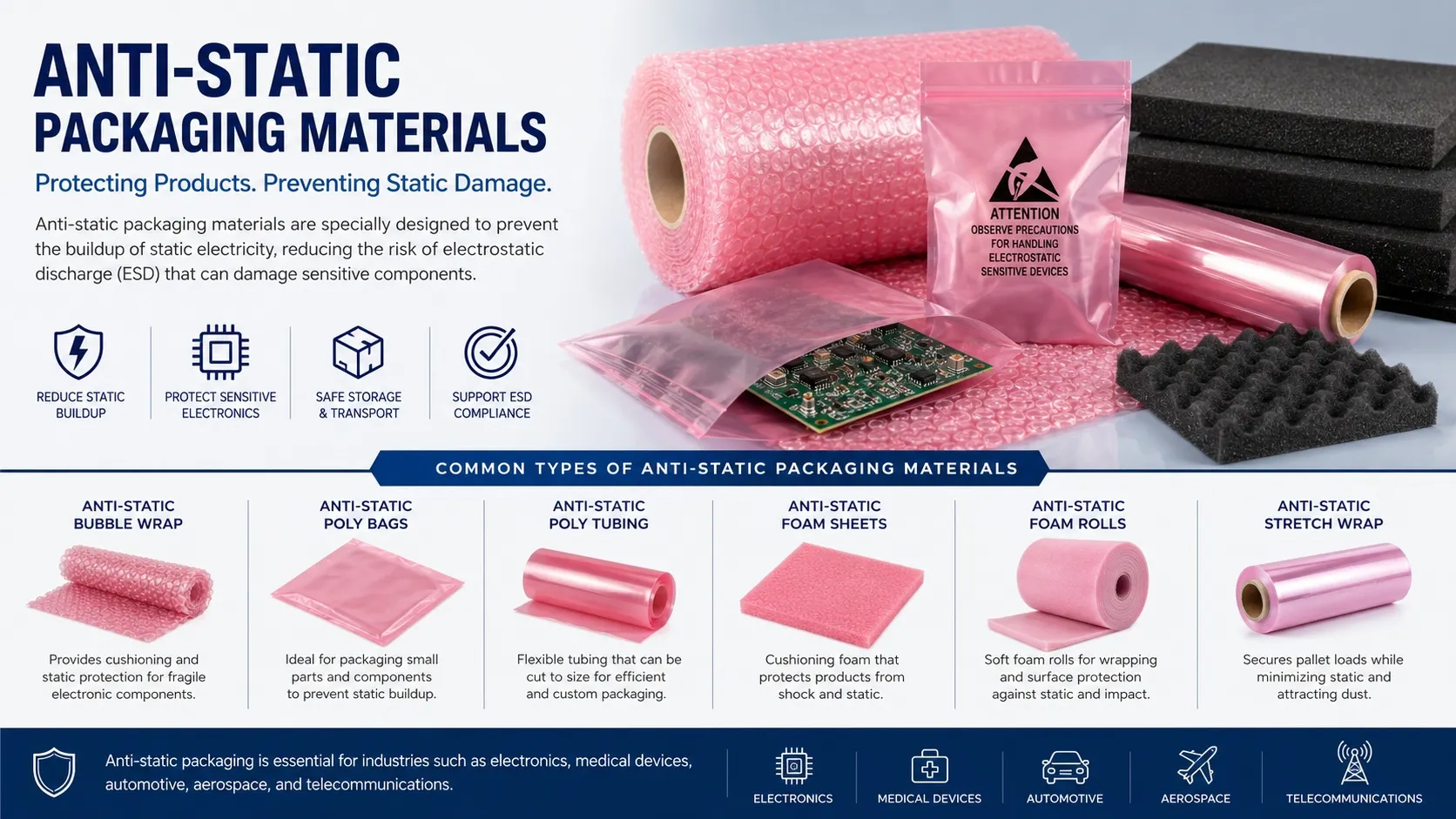
Anti-static packaging solutions are created to lower the risk of static build up and help enhance the safety of products which can be at risk of electrostatic-sensitive conditions. Knowing the various definitions of anti-static packaging materials and their uses can assist companies in selecting the appropriate protection for products, as well as minimize damage, returns and expensive failures.
What Are Anti-Static Packaging Materials?
Anti-static packaging materials are specially engineered materials which can prevent static electricity from accumulating on the surface. They are manufactured differently from other packaging materials in that they contain additives or coatings which prevent electrical charges from accumulating and becoming a problem.
Anti-static packaging is mainly to reduce the generation and accumulation of static electricity during the handling, transportation and storage of products. These materials are generally identified by their pink color, but other colors and forms of anti-static packaging may be available depending upon the application.
It is worth to note that the anti-static packaging is not the static shielding packaging. Anti-static materials prevent static from building up, but they don't always provide protection for sensitive electronic components when exposed to external electrostatic discharge events.
Why Is Anti-Static Packaging Important?
Static electricity can cause a number of issues in various industries. Just a small electrostatic discharge may result in diminished performance, shorter life time, or even failure of the product due to sensitive electronic components. Also, static charges attract dust, dirt, and contamination that can have adverse impacts on product quality and cleanliness.
Anti-static packaging offers a number of key advantages:
- Reduces static charge accumulation
- Minimizes the risk of electrostatic discharge
- Helps maintain product cleanliness
- Improves transportation safety
- Supports compliance with ESD control programs
- Protects valuable products during storage and shipping
Anti-static packaging is widely used in industries such as electronics manufacturing, telecommunications, medical electronic component manufacturing, automotive electronics, aerospace engineering, and semiconductor manufacturing.
Anti-Static Packaging vs. Static Shielding Packaging
Probably the most frequent mistake made in ESD protection is to assume that anti-static and static shielding packaging are the same.
Anti-Static Packaging
Anti-static packaging materials are materials that prevent the generation of static charges by packaging. They drain static electricity and minimize static build up when handling. They do not, however, provide external electrostatic discharge protection.
Typical applications include:
- Hardware components
- Fasteners
- Mechanical parts
- Non-ESD-sensitive products used in controlled environments
Static Shielding Packaging
The protection is much greater with static shielding packaging. These materials form a layer to protect sensitive components from static charges from inside and out. Numerous shielding bags include metallised layers that create a Faraday cage around the product that is protected.
Typical applications include:
- Printed circuit boards (PCBs)
- Integrated circuits
- Microprocessors
- Semiconductor devices
- Sensitive electronic assemblies
To determine the appropriate packaging it is important to understand the characteristics of the product and the conditions in which it will be stored or transported.
Common Types of Anti-Static Packaging Materials
1. Anti-Static Bubble Wrap
Anti-static bubble wrap features cushioning protection with static control ability. It is used to protect fragile items and electronic equipment from impact as well as to reduce static generation when wrapping.
Benefits include:
- Excellent shock absorption
- Lightweight design
- Flexible packaging options
- Reduced static buildup
This material is ideal for shipping electronic accessories, instruments, and delicate equipment.
2. Anti-Static Poly Bags
Anti-static poly bags are widely used for packaging small parts and components. They come in different sizes and thicknesses for easy storage and transportation and reduce the build-up of electrostatic charge.
Common uses include:
- Fasteners
- Connectors
- Plastic components
- Mechanical assemblies
3. Anti-Static Poly Tubing
Poly Tubing can provide flexible packaging for products of different lengths. Tubing can be cut to desired lengths and reduce the material waste and efficiency of packaging.
Advantages include:
- Flexible sizing
- Cost-effective packaging
- Efficient inventory management
- Suitable for bulk packaging operations
4. Anti-Static Foam Sheets
Anti-static foam sheets offer protection from static as well as cushioning. These materials are easy to be formed into inserts, liners and protective packages.
They are commonly used for:
- Medical devices
- Electronic assemblies
- Precision instruments
- Aerospace components
Foam sheets are especially effective in products that need protection from vibration, shock and static build-up.
5. Anti-Static Foam Rolls
Foam rolls provide surface protection when transporting and storing foam. They are flexible and can be used to wrap products with irregular shapes, without losing anti-static properties.
Foam rolls are commonly used in industries for:
- Component packaging
- Surface protection
- Work-in-process storage
- Interleaving materials
6. Anti-Static Stretch Wrap
Anti-static stretch film is used widely in palletizing food and packaging goods or for securing shipments. In addition helps to reduce static charge and load stability during transportation.
Benefits include:
- Improved load security
- Reduced dust attraction
- Enhanced warehouse handling
- Better protection during shipping
Industries That Depend on Anti-Static Packaging
Electronics Manufacturing
Electronic components are one of the most sensitive products that can be affected by electro-static damage. Anti-static packaging can enable manufacturers to mitigate risks during all aspects of the manufacturing, storage and distribution process.
Medical Devices
Medical equipment frequently has sensitive electronic systems which demand protection from static electricity and contamination. Anti-static packaging contributes to product integrity and reliability.
Aerospace and Defense
The quality requirements for aerospace applications are extremely high. Anti-static materials help to ensure mission-critical components are not damaged by ESD.
Automotive Electronics
Hundreds of electronic modules and sensors are found in modern vehicles. Anti-static packaging guarantees protection of these components during the entire supply chain.
Best Practices for Using Anti-Static Packaging
To maximize protection, businesses should follow several best practices:
- Select packaging appropriate for the product's ESD sensitivity.
- Store packaging materials in controlled environments.
- Inspect reusable materials regularly for wear or degradation.
- Train employees on proper ESD handling procedures.
- Combine anti-static materials with static shielding packaging when transporting highly sensitive electronics.
In particular, regular inspections are crucial because anti-static materials can become less effective over time as they are handled, exposed to the environment, and used over time.
Conclusion
Anti-static packaging materials are indispensable in packaging products in static electricity sensitive environments. These solutions include bubble wrap, poly bags, foam inserts and stretch films, all of which help minimize static, enhance product security and enable efficient transportation and storage.
It is important to note that, in essence, anti-static packaging also prevents the generation and accumulation of charges in a business. If the electronic components are sensitive, perhaps static shielding packaging is needed to fully protect against ESD. Companies can ensure the quality of their products, prevent losses, and enhance customer satisfaction across the supply chain when they grasp these differences and choose appropriate materials accordingly.
NEWS
GET SERVICE
With quality parts to meet every budget and friendly staff trained to make your visit informative and hassle free.
