

best sticky mat for hospital infection control floors

best sticky mat for hospital infection control floors
In healthcare settings, infection control is more than just a good practice, it's essential. Strict contamination prevention protocols are essential to the protection of patients and staff at hospitals, clinics, laboratories and surgical centers. The simple, yet effective device that can help with this is the sticky mat for hospital infection control floors.
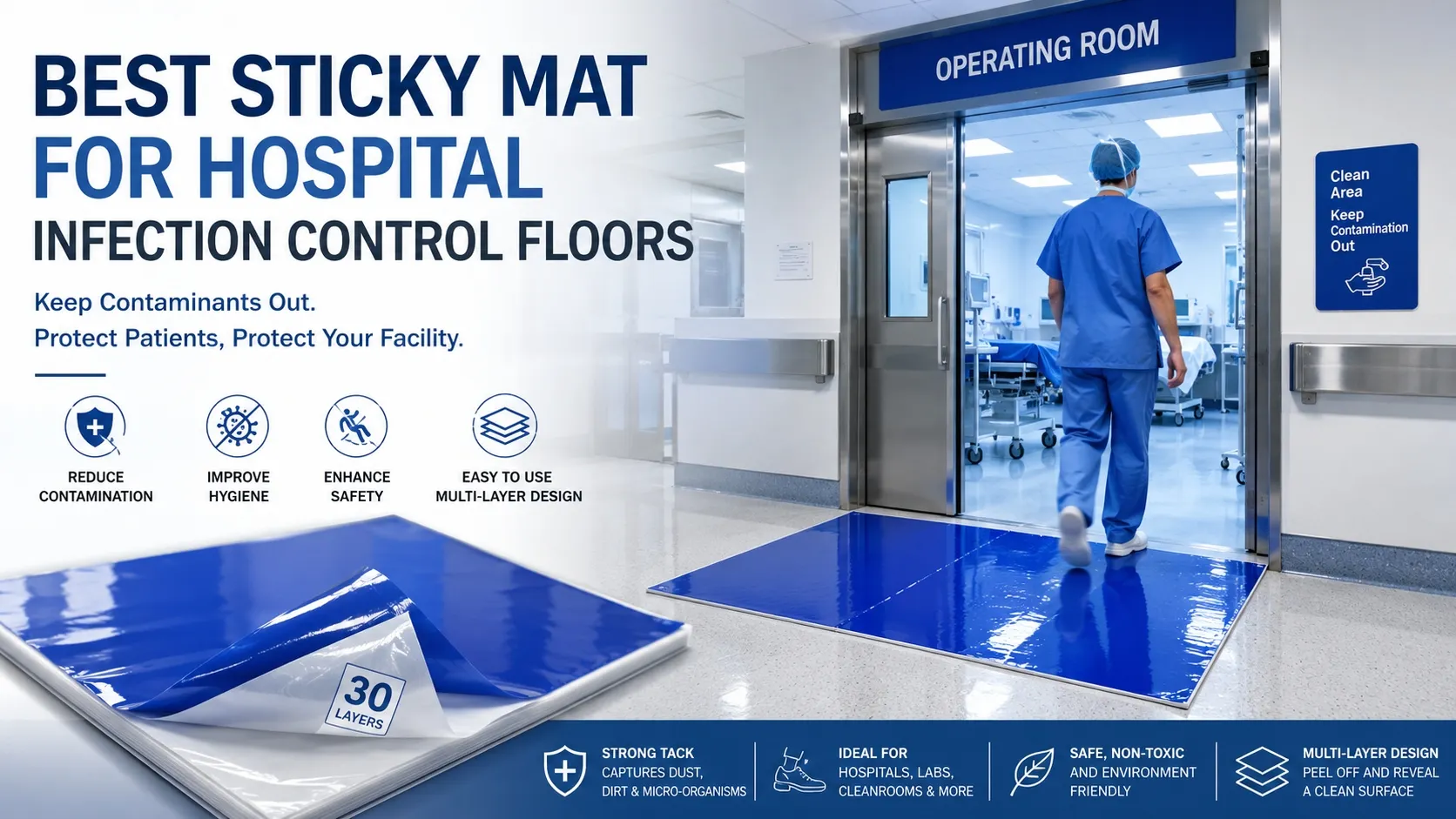
This guide will have a look at what sticky mats are and their function, the advantages, the factors to consider and their role in contemporary hospital hygiene systems. This detailed article will help you choose the best stickiness mat for the floors of hospitals for infection control.
What Is a Sticky Mat in Hospital Infection Control?
The sticky mat, also known as tacky mat or adhesive mat for floor mat, is a multi-layer mat that is used for pre-removal of footwear, wheels, equipment and microbial contaminants from the dirty room into the sterile room or controlled room.
The mats are made up of layers of glued-on sheets. The outer layer is removed when it gets dirty to expose the new and clean layer.
Sticky mats are often used in hospitals at:
- Operating room entrances
- ICU and isolation room doors
- Cleanroom entry points
- Pharmaceutical preparation areas
- Laboratory access zones
Their primary purpose is to reduce the transfer of pathogens and particulate contamination.
Why Sticky Mats Are Essential for Hospital Infection Control Floors
Hospitals are high-risk environments that are likely to have a lot of foot traffic and contact surfaces that can harbor pathogens. A first line of defense in contamination control are sticky mats.
1. Reducing Cross-Contamination
Shoes may pick up bacteria, viruses or dirt from outdoor spaces, restrooms or hallways. The particles are captured by sticky mats and do not enter sterile areas.
2. Supporting Cleanroom Standards
Sticky mats are used in healthcare facilities that practice ISO cleanroom standards or internal infection control, to control particle levels.
3. Enhancing Hygiene Compliance
Simple procedures can be used to ensure staff follow hospital infection prevention policies using sticky mats.
4. Cost-Effective Protection
Sticky mats are an effective, simple and inexpensive preventive action compared to more sophisticated air filtration or decontamination systems.
How Sticky Mats Work
Sticky mats rely on pressure-sensitive adhesive layers. When a person steps on the mat:
- Dirt and particles stick to the adhesive surface.
- The mat captures contaminants from shoes, wheels, or carts.
- Once the layer is fully used, it is peeled away and discarded.
- A new clean layer is exposed for continued use.
This simple mechanism makes sticky mats highly efficient in high-traffic hospital environments.
Key Features of the Best Sticky Mat for Hospital Infection Control Floors
When selecting the best sticky mat for hospital use, several important features should be considered.
1. Adhesive Strength
The mat must have strong enough adhesion to capture fine dust and microbes, but not so strong that it interferes with movement.
2. Layer Count
High-quality mats typically offer 30 to 60 layers, ensuring long-term usability in busy hospital entrances.
3. Slip Resistance
Safety is critical. The bottom layer should be non-slip to prevent accidents in high-traffic areas.
4. Material Quality
Durable polyethylene (PE) is commonly used for hospital-grade sticky mats because it is resistant to tearing and moisture.
5. Size Options
Different hospital areas require different mat sizes. Entryways often use large mats, while lab spaces may use smaller ones.
6. Antimicrobial Coating
Some advanced sticky mats include antimicrobial treatments to inhibit microbial growth on the surface.
Types of Sticky Mats Used in Hospitals
1. Standard Sticky Mats
Used in general entry points to reduce dirt and dust.
2. High-Tack Cleanroom Mats
Designed for surgical and pharmaceutical environments requiring strict contamination control.
3. Antistatic Sticky Mats
Used in environments where static electricity could damage sensitive equipment.
4. Heavy-Duty Mats
Suitable for areas with carts, wheelchairs, and frequent foot traffic.
Where Sticky Mats Are Most Effective in Hospitals
Sticky mats are strategically placed in areas where contamination risk is highest:
- Emergency room entrances
- Surgical suite doors
- ICU isolation zones
- Pharmacy compounding rooms
- Laboratory clean zones
- Ambulance entry points
Proper placement ensures maximum effectiveness in controlling infection spread.
Benefits of Using Sticky Mats in Healthcare Facilities
Improved Patient Safety
Reducing the spread of pathogens directly lowers hospital-acquired infection (HAI) risks.
Better Environmental Control
Sticky mats help maintain cleaner floors and reduce airborne particle disturbances.
Operational Efficiency
Simple maintenance allows staff to focus on clinical tasks rather than intensive cleaning procedures.
Regulatory Compliance
Helps hospitals meet hygiene standards set by healthcare authorities and accreditation bodies.
How to Maintain Sticky Mats Properly
Proper maintenance ensures maximum performance and hygiene.
1. Regular Layer Removal
Peel off the top layer daily or when visibly soiled.
2. Timely Replacement
Replace the entire mat when all layers are used or adhesive weakens.
3. Correct Placement
Ensure mats are placed flat on clean, dry surfaces for maximum adhesion.
4. Avoid Moisture Exposure
Excess water can reduce adhesive effectiveness.
How to Choose the Best Sticky Mat for Hospital Infection Control Floors
When purchasing sticky mats, hospitals should evaluate:
- Traffic volume of the area
- Required cleanliness level (standard vs. sterile zones)
- Budget and replacement frequency
- Size and placement location
- Compliance with healthcare hygiene protocols
For high-risk environments like operating rooms, investing in premium-grade sticky mats is strongly recommended.
Final Thoughts
The best sticky mat for hospital infection control floors is more than just a cleaning accessory—it is an essential infection prevention tool. Sticky mats can help minimize the risk of hospital-acquired infections because they can capture contaminants at the point of entry and contribute to good hygiene.
Consider durability, adhesive strength, number of layers and traffic volume for your facility when selecting sticky mat. When well chosen and kept properly, sticky mats offer an easy-to-use and effective level of security in today's healthcare setting.
NEWS
GET SERVICE
With quality parts to meet every budget and friendly staff trained to make your visit informative and hassle free.
