
esd safe materials

esd safe materials
One of most frequent and often less talked about risks to electronic devices is Electrostatic Discharge (ESD). For sensitive electronic components, a harmless static discharge can cause permanent damage to these components leading to high cost failures, production delays and reliability problems.
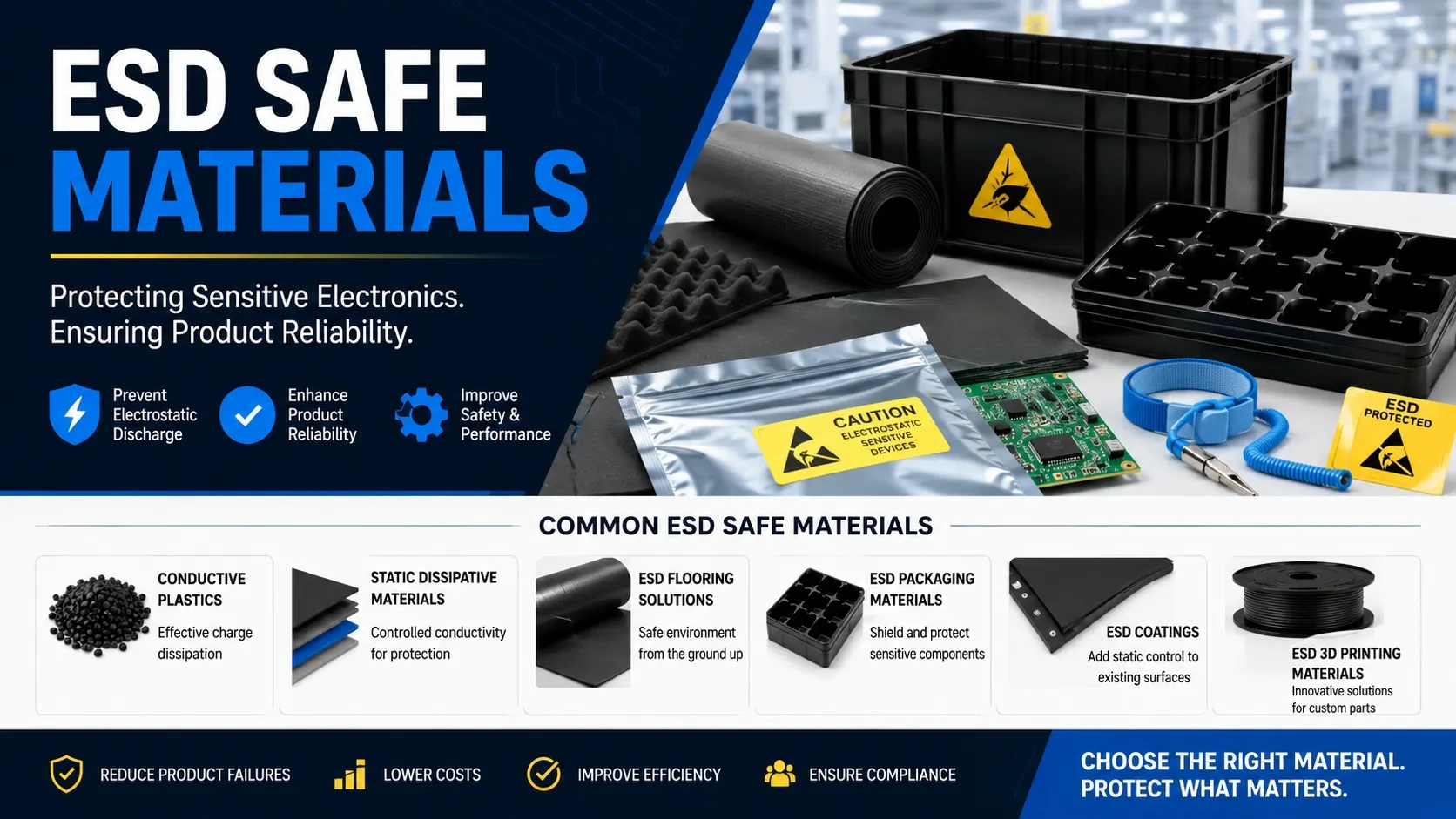
ESD safe materials are those specifically developed to control, dissipate, or conduct static electricity as desired. These materials reduce the risk of a sudden electrostatic discharge occurring that could shock the microchips, circuit boards, sensors and other electronic components.
With increasing miniaturization and complexity of electronics, the need for effective ESD protection has been growing for industry applications including electronics manufacturing, aerospace, automotive, telecommunication communications, medical devices, and semiconductor fabrication.
Why ESD Protection Matters
Electrostatic discharges can damage many electronic components at much less levels than are felt by humans. Damage is sometimes seen on the spot. In others, the hidden defects can not materialise until weeks and months after the sale, leading to unanticipated material failures in the product.
Insufficient ESD protection will result in:
- Product defects and warranty claims
- Reduced device reliability
- Manufacturing downtime
- Increased production costs
- Customer dissatisfaction
- Compliance and quality control issues
Installing ESD-safe workspaces, packaging, and materials can greatly reduce these risks, while enhancing overall product quality.
Types of ESD Safe Materials
There are three categories of ESD-safe materials that vary in their electrical resistance properties:
1. Conductive Materials
Conductive materials give an easy, rapid path to ground for the electrical charges. The surface resistivity of these materials is more than likely lower than 10⁶ ohms.
Some commonly used conductive ESD materials are:
- Carbon-filled plastics
- Conductive rubber
- Conductive foams
- Metal-coated polymers
- Conductive packaging trays
These materials are widely used for transporting and storing highly sensitive electronic components.
2. Static Dissipative Materials
Static dissipative materials can conduct electricity at a rate that will allow it to dissipate safely. Sudden electrical sparks may be avoided with this controlled discharge.
Examples include:
- Dissipative plastic sheets
- ESD workbench mats
- ESD flooring systems
- Dissipative storage containers
- ESD-safe 3D printing materials
Materials used to dissipate charge are popular in many manufacturing environments where they give a perfect balance between charge protection and safety.
3. Anti-Static Materials
Anti-static materials are materials used to inhibit the generation of static charges and inhibit accumulation of static charges. They serve to reduce static build-up but are not necessarily a place to earth.
Examples include:
- Anti-static bags
- Anti-static films
- Anti-static coatings
- Treated packaging materials
These materials are frequently combined with conductive and/or dissipative materials for system-wide ESD protection.
Common ESD Safe Materials Used in Industry
Conductive Plastics
One of the most common types of ESD safe materials is conductive plastics. The addition of conductive materials (such as carbon fiber or carbon black) can make materials that weigh less, and can safely control static electricity.
Advantages include:
- Lightweight construction
- Excellent durability
- Chemical resistance
- Custom molding capabilities
- Cost-effective manufacturing
Typical applications for conductive plastics include component trays, component housings, enclosures, and assembly fixtures.
ESD-Safe 3D Printing Materials
The advent of Additive Manufacturing has given rise to an increased selection of ESD-safe materials. New high-grade filaments and resins now enable one to make customized parts on demand.
Popular options include:
- ESD-safe ABS
- ESD-safe polycarbonate
- Carbon-filled nylon
- ESD photopolymer resins
- High-performance aerospace-grade thermoplastics
These materials enable rapid prototyping and production while maintaining static protection.
ESD Coatings
If it is not likely to be possible to replace the existing materials then ESD coatings are an effective solution. These coatings form a surface layer of static dissipative coating which aids in static control.
Applications include:
- Electronic enclosures
- Workstations
- Storage cabinets
- Manufacturing equipment
- Packaging systems
However, coatings must be properly maintained and tested to ensure continued performance.
ESD Flooring
Floors are an all important part of a total ESD control program. Well designed ESD floors provide a mechanism for dissipating the charges produced by people who are walking around and equipment running.
Common flooring materials include:
- Conductive vinyl
- Static-dissipative rubber
- ESD epoxy coatings
- Conductive tile systems
ESD flooring is widely used in electronics manufacturing facilities, cleanrooms, and semiconductor production environments.
ESD Packaging Materials
Electronics need to be properly packaged to withstand ESD and protect in storage and transit.
The following are some of the most common ESD packaging solutions:
- Anti-static bags
- Conductive foam inserts
- Static shielding bags
- Conductive trays
- Moisture barrier bags
- ESD-safe containers
The packaging materials eliminate static buildup and will serve as a barrier to any outsideelectrostatic event that could harm sensitive parts. Appropriate packaging is sometime the last line of defence before products are presented to customers.
How to Choose the Right ESD Safe Material
Selecting the best ESD-safe material depends on several factors:
Application Requirements
Determine whether the material will be used for:
- Packaging
- Work surfaces
- Equipment housings
- Production fixtures
- Flooring
- Storage solutions
Electrical Performance
Requisite conductivities or dissipation factor varies from one application to another. The specifications for surface resistivity should be consistent with industry standards and equipment sensitivity requirements.
Environmental Conditions
Consider:
- Temperature exposure
- Humidity levels
- Chemical resistance
- Mechanical stress
- UV exposure
Regulatory Compliance
The Industries frequently dealing ESD need high degree of standardization and quality control inside which includes aerospace, medical equipment production and defense business.
Future Trends in ESD Safe Materials
Electronics continue to change and so ESD safe materials are getting better. Emerging innovations include:
- Nanotechnology-enhanced conductive polymers
- Sustainable ESD-safe materials
- High-performance additive manufacturing materials
- Lightweight aerospace-grade dissipative composites
- Smart materials with integrated monitoring capabilities
Thanks to these advances, it is easier for manufacturers to boost performance without increasing expenses and/or design flexibility.
Conclusion
For sensitive electronic equipment to be protected from expensive electrostatic discharge damage, ESD safe materials are crucial. While a wide range of applications call for different demands on material properties, modern ESD solutions offer the essential protection at every lifecycle stage, from conductive plastics and dissipative flooring to special packaging and 3D printable materials.
In today's highly electronic society, ESD can be a serious problem for manufacturers, with material selection and a sound strategy for ESD control providing a good path toward better product quality, fewer costly product failures, increased efficiency and reliability.
NEWS
GET SERVICE
With quality parts to meet every budget and friendly staff trained to make your visit informative and hassle free.