
How to Clean Sensitive Surfaces Safely | Guide for Delicate Materials

How to Clean Sensitive Surfaces Safely | Guide for Delicate Materials
How to Clean Sensitive Surfaces?
Handling and precautions are necessary when washing delicate materials. The purpose is simple: to protect the surface and remove dust. This is what the modern cleaning systems entail in terms of cleaning the sensitive surfaces safely. Sensitive surfaces are coated metals, optical parts, electronics, and cleanroom tools. These surfaces need a cleaning procedure that is not abrasive and has no possibility of scratches. This is what makes soft surface cleaning techniques be used instead of rough wiping.
A safe process concentrates on:
- Low-pressure contact
- Soft tools that have a stable grip.
- Controlled dust removal
- Residue-free finish
It is part of a series of cleaning processes of surface protection in use in laboratories, factories, and precise work areas.
Safe Washing of Sensitive Surfaces
The safe cleaning procedures of fragile surfaces are based on the type of surface and the level of contamination. Dirt does not work in the same manner. Dust sticks are loose, and other dust particles are attached to each other due to humidity or oil. In both cases, damage is avoided by a low-impact surface maintenance approach.
Safe methods include:
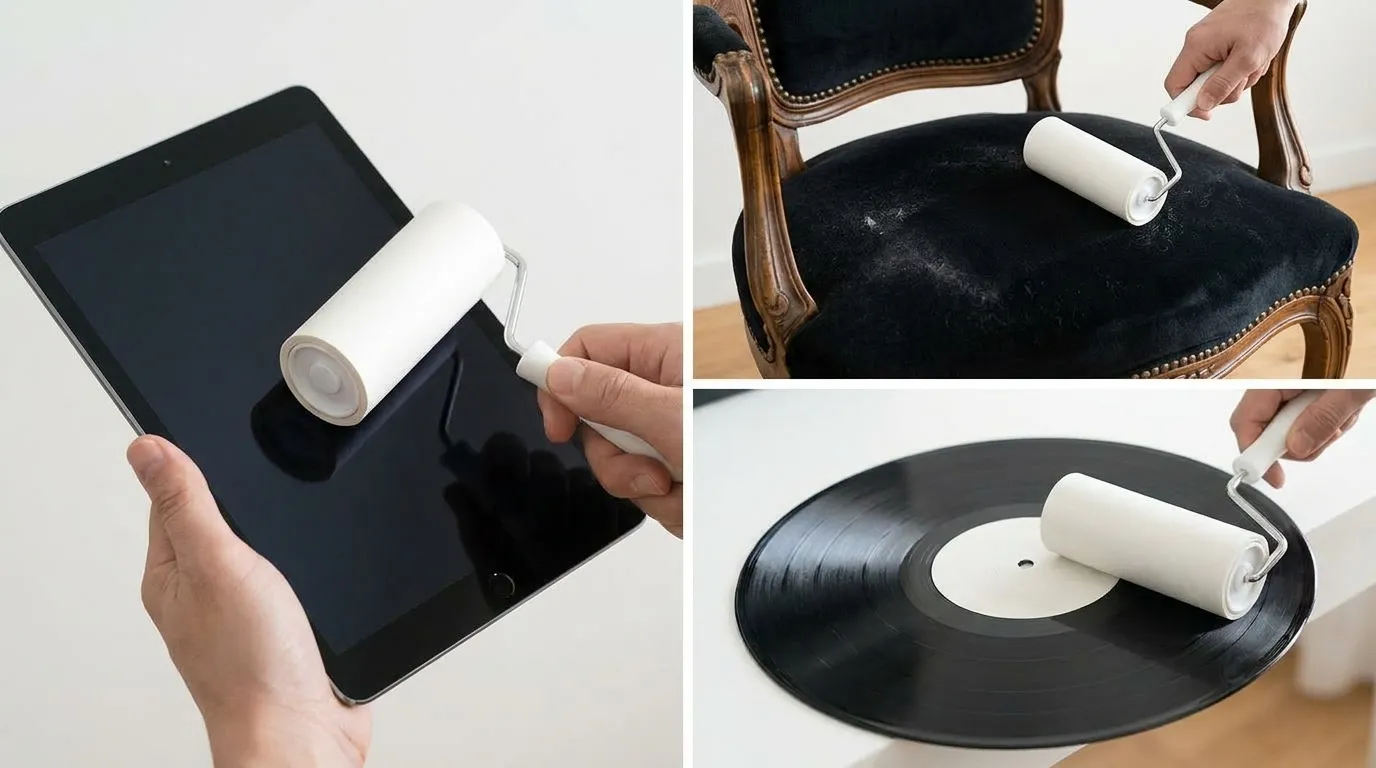
- Dry particle lift using adhesive tools
- Electronics cleaning that is ESD-safe.
- Wiping with light dust microfibers.
- Laboratory air cleaning.
- Dust removal systems that use adhesives.
These techniques help in handling surfaces contamination-free and minimize wear over time.
Cleaning Fragile Surfaces without Damage
The main issue is how to clean delicate surfaces without damaging them. The pressure and material choice are the answer. Fragile surfaces fracture when:
- The coating is rubbed with a hard cloth.
- The dust is blown over the surface.
- Layers of coating react with chemicals.
- A harmless cleaning approach gets rid of all three risks.
Safe steps:
- Clean with soft-touch cleaning tools.
- Movement light and straight.
- Avoid circular scrubbing
- Wipe down dirty cleaning surfaces often.
This technique safeguards the anti-scratch cleaning method's efficacy and prolongs the surface's existence.
Real-World Applications of Gentle Surface Cleaning Techniques
Surface cleaning techniques focus on light cleaning and minimal movement. They are generally used in plants and laboratories. Common uses:
- Safety of cleaning surfaces of electronic devices.
- Gentle cleaning technique of optical lenses.
- Safety of cleaning laboratory instruments.
- Delicate surface care routine for furniture.
The techniques enable cleaning with accuracy without compromising finishes or sensors.
Safe Way to Clean Sensitive Materials in Industry
The safe method of cleaning sensitive materials varies based on the level of contamination and the surroundings. Controlled systems are applied in industrial zones since dust may harm machines. Key industrial controls:
- Cleanroom contamination control
- Control of industrial hygiene.
- Cleaning process of controlled surfaces.
- Particle-free surface preparation
Such systems guarantee the cleaning process with low residues and minimize production defects.
Washing Sensitive Electronic Surfaces
Special attention should be paid to the cleaning of sensitive electronic surfaces procedure. The circuit can be damaged by static and dust. Safe approach:
- Clean with ESD-safe tools.
- Do not have liquid contact on boards.
- Use dry particle lift systems
- Check the cleaning tools for a clean environment.
This helps in electrostatic discharge safe cleaning (ESD-safe cleaning) and in safeguarding chips and sensors. Electronic cleaning is prevalent in:
- Cleaning process of semiconductor equipment.
- High-sensitivity equipment cleaning
- Proper surface cleaning of system areas.
How to Avoid Scratches on Delicate Surfaces
It is essential to know how to prevent scratches on sensitive surfaces in laboratories and manufacturing floors. Scratch causes:
- Hard cloth fibers
- Dry rubbing particles
- Uneven pressure
- Reused dirty wipes
- Prevention methods:
- Use non-abrasive cleaning techniques
- Motion should be low and flat.
- Avoid pressure spikes
- Cleaning technology based on adhesive.
These techniques safeguard surface protection in the cleaning process.
Best Method of Cleaning Delicate Equipment
The best cleaning method for sensitive equipment is that which does not result in contact damage. Effective systems:
- Dust pickup tools that have adhesives.
- Proper surface cleaning system.
- Micro-particle removal system
- Soft touch roller cleaning
These processes aid cleaning techniques that do not wear surfaces.
Washing Sensitive Surfaces without Chemicals
Whether sensitive surfaces can be cleaned without the use of chemicals has become a question for many industries. The use of chemicals may harm coatings or leave a residue. Dry systems are not as dangerous. Chemical-free methods:
- Roller cleaning systems with adhesives.
- Dry lint pickup sheets
- Controlled dust elimination of air.
- Anti-static dry clean machines.
These enhance the preparation of surfaces without particles and minimize the risk of contamination.
Coatings During Cleaning
Learning how to preserve the coatings in the cleaning process is one of the means of extending the life of the products. Protection steps:
- Only soft-contact tools are to be used.
- Do not use coarse fiber clothes.
- Use gentle cleaning movements.
- Wipe off dust.
This helps in cleaning the technique of surface protection and reduces the chances of damage.
Technical Perspective of Surface Cleaning at a High Level
Modern cleaning, rather than wiping, is a science.
Key systems include:
- Safe cleaning (safe electrostatic discharge)
- Accurate surface cleaning system.
- Micro-particle removal system
- Adhesive-based cleaning technology
These systems increase the removal of mild contamination and the consistent quality of the surface.
Conclusion:
Washing surfaces does not need force. They need to be controlled, touched gently, and handled with the right equipment. The method of cleaning delicate surfaces safely is not solely about cleaning. It is defense, accuracy, and care in the long run. Safe cleaning minimizes damage and maintains performance in electronics in cleanrooms. The Nabai ESD solutions have been aligned to this goal with the use of smart tools that are intended to operate in the real world.
NEWS
GET SERVICE
With quality parts to meet every budget and friendly staff trained to make your visit informative and hassle free.