
How to Properly Use a Sticky Roller for Cleanroom: Step-by-Step Guide

How to Properly Use a Sticky Roller for Cleanroom: Step-by-Step Guide
A Sticky Roller for Cleanroom removes loose particles, fibers, and hair from approved garments and surfaces through controlled adhesive contact. It should support—not replace—validated cleaning, gowning, disinfection, and environmental monitoring.
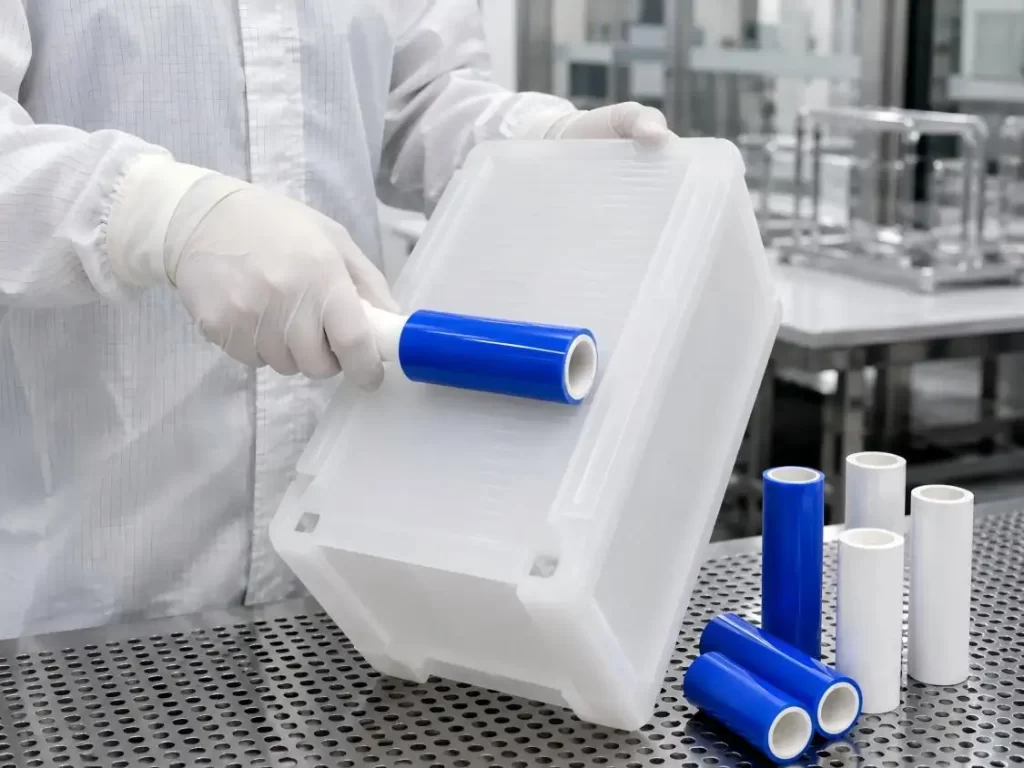
ISO 14644-1 classifies cleanrooms by airborne particle concentration; it does not assign an ISO class to an individual roller. Selection should instead consider documented cleanliness, functional performance, packaging, substrate compatibility, and the facility's operations control programme. Sticky Roller for Cleanroom?
A typical Sticky Roller for Cleanroom consists of a handle and adhesive-coated film or foam sheets. Many designs use perforated peel-away layers so that a contaminated sheet can be removed and a fresh surface exposed.
Common variables include:
•Adhesive tack and formulation
•Film or foam construction
•Roller width and core size
•Handle and extension materials
•Clean packaging and lot traceability
•Documented ESD properties, where required
Not every roller is suitable for garments, sensitive films, equipment, walls, or worktops. Confirm the intended use before application.
Sticky Roller Selection Checklist
| Factor | What to confirm | Why it matters |
| Intended surface | Garment, glove, bench, panel, wall, or equipment exterior | Avoids snagging, transfer of residue, or damage to surface |
| Tack level | Supplier specification and internal compatibility testing | Excessive tack can pull surface fibers or transfer adhesive |
| Construction | Smooth surfaces require film; conformable foam for suitable textured surfaces | Enhances contact |
| Cleanliness data | Packaging, residue or particulate matter, and lot number | Enables inspection and traceability |
| ESD requirements | Known ESD safe materials and approved ESD controls | ESD does not apply to the core material alone |
Step-by-Step Operating Procedure
1. Operator & Area Preparation
In the Cleanroom, prior to using the Sticky Roller:
•Complete the entire gowning procedure.
•Perform hand hygiene and change gloves in accordance with the site's standard operating procedure (SOP).
•Confirm that the adhesive rollers can be used on the target surface and that the surface is dry.
•Use rollers specific to that room, zone, or process.
•A roller may not be transferred from a zone of a higher control to a zone of a lesser control without a formally documented transfer procedure.
2. Inspection of the Equipment
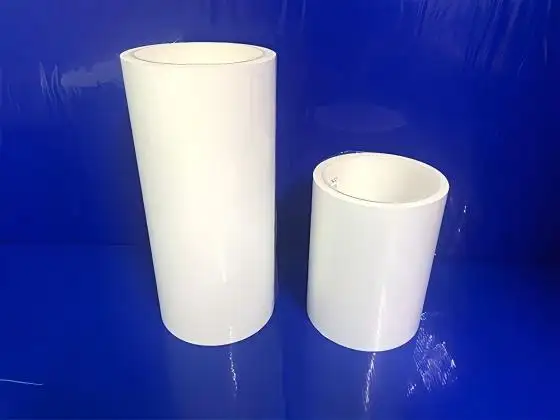
Ensure the package is sealed with no signs of punctures, tears, or moisture. Verify that the package is properly labeled. To open the package, use a staging or transfer area and an opening motion that is controlled.
The handle, core and roll must be inspected. The Sticky Roller for Cleanroom should be rejected if any part is contaminated, is loose, is damaged, or has the potential to contaminate the Cleanroom.
3. Expose a Fresh Adhesive Layer
To expose the adhesive layer, remove the protective sheet or wrap without touching the adhesive. Only the handle should be held during this process.
If the adhesive layer is touched and it is dusty, wrinkled, damaged or has come apart, it should be removed along the perforation to expose a new clean sheet.
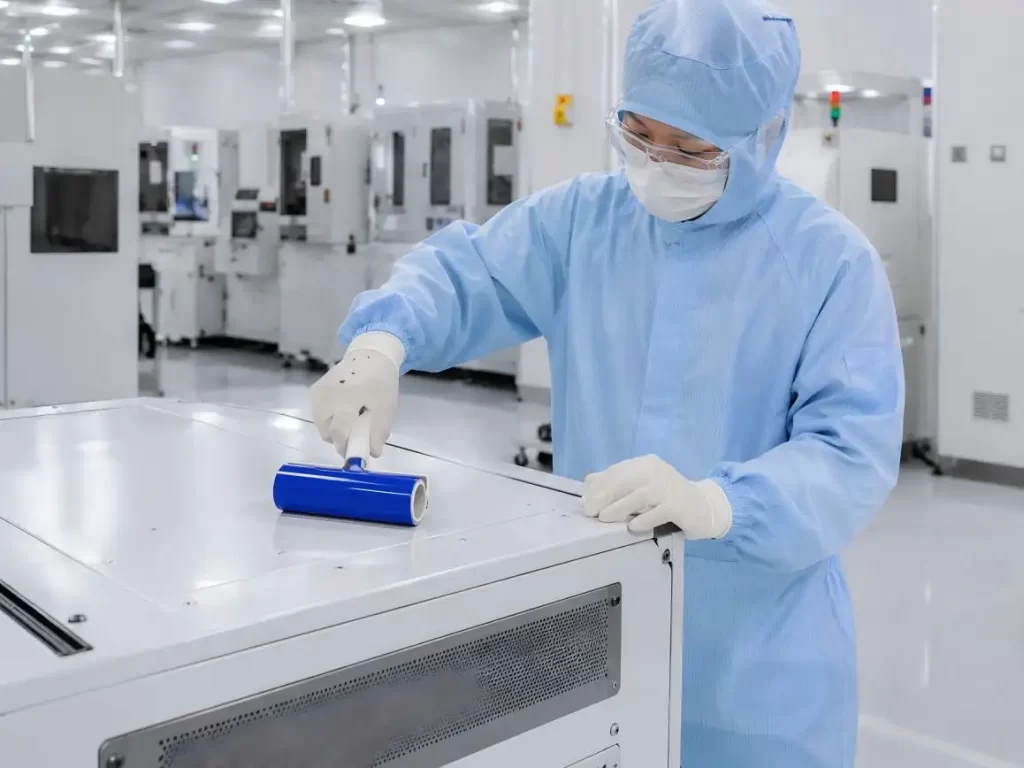
4. Apply Controlled, Overlapping Passes
•Use light pressure while following the instructions below for use of the Sticky Roller for Cleanroom.
•Rolling should only be done in one direction. Unless directed by the supplier to do so, do not roll in the opposite direction.
•In order to avoid gaps, passes should be made which slightly overlap.
•Lift the roller after each pass.
•Avoid rolling over the same area with an unused sheet.
Sufficient pressure should not be applied to cause adhesive to be left on the surface, pull garment fibers, or deform the surface.
For large areas, divide the surface in to designated areas and clean one section per cleaning cycle.
5. Work From Cleaner to Dirtier Areas
For approved garment use, follow the sequence defined in the gowning SOP. A practical order may be:
•Gloves and sleeves
•Shoulders and torso
•Legs
•Shoe covers, when specifically permitted
Use separate rollers for equipment, floors, garments, or different cleanliness zones whenever cross-contamination is possible.
6. Replace the Loaded Sheet
Change the exposed layer when:
•Visible particles accumulate
•Tack performance decreases
•The sheet becomes damaged
•The validated area or use interval is reached
•The roller changes task or cleanliness zone
Do not use an arbitrary rule such as "one sheet per garment" unless the facility has established and validated that requirement.
Peel the used sheet slowly along the perforation. Where practical, fold the adhesive side inward to contain collected particles, then place it directly into the designated waste container.
7. Storage and Post-Use Control of the Roller
For the Storage of Sticky Roller for Cleanroom:
•Either protect the roller's adhesive or store the roller in a clean approved container.
•Storage supplier's recommendations and instructions should be adhered to.
•The roller should be kept out of the UV ray exposure, heat, moisture and controlled environments of work.
•When required, note the opening date, lot number, and the room assignment or user ID.
What Not to Do
Do not:
•Choose a roller based on its claimed "ISO class" or a suitability claim.
•Apply excessive pressure when rolling.
•Use a roller with low tack or rolls that are fully loaded.
•Roll on a non compatible or unapproved wet surface.
•Touch the adhesive surface without gloves.
•Share a roller across different cleanliness zones.
•Use a surface roller on clothing if compatibility has not been confirmed.
•Consider adhesive rolling a substitute for regular cleaning.
Closing Words
Nabai believes effective use of a Sticky Roller for Cleanroom relies upon correctly selecting and controlling the product, performing overlapping passes, timely replacement of sheets, and storage specific to the defined zones. Incorporating these measures in a written SOP is also recommended, along with verification of their implementation by performing site-specific assessments for material compatibility and contamination control.
FAQs
Q1. What can be removed by a Sticky Roller for Cleanrooms?
A Sticky Roller for Cleanrooms can remove particles including surface dust, hair, fibers, etc.
Q2. Does it eliminate the need for regular cleanroom cleaning?
No, Sticky Cleanroom Rollers cannot replace regular cleaning and disinfecting, they only aid the process.
Q3. What is the optimum time to replace the adhesive sheet?
Adhesive sheets should be replaced when the cleanroom roller becomes less sticky or when particles begin to build up on it.
Q4. Can one roller be used for different cleanroom zones?
To improve the cleanliness and sterility of each zone, roller cross-contamination should be avoided by assigning different rollers to different zones.
Q5. Can Sticky Cleanroom Rollers be used on garments?
This is acceptable, however, it must be ensured that the roller is approved for that certain garment.
NEWS
GET SERVICE
With quality parts to meet every budget and friendly staff trained to make your visit informative and hassle free.